$500 Off Cabinet Painting
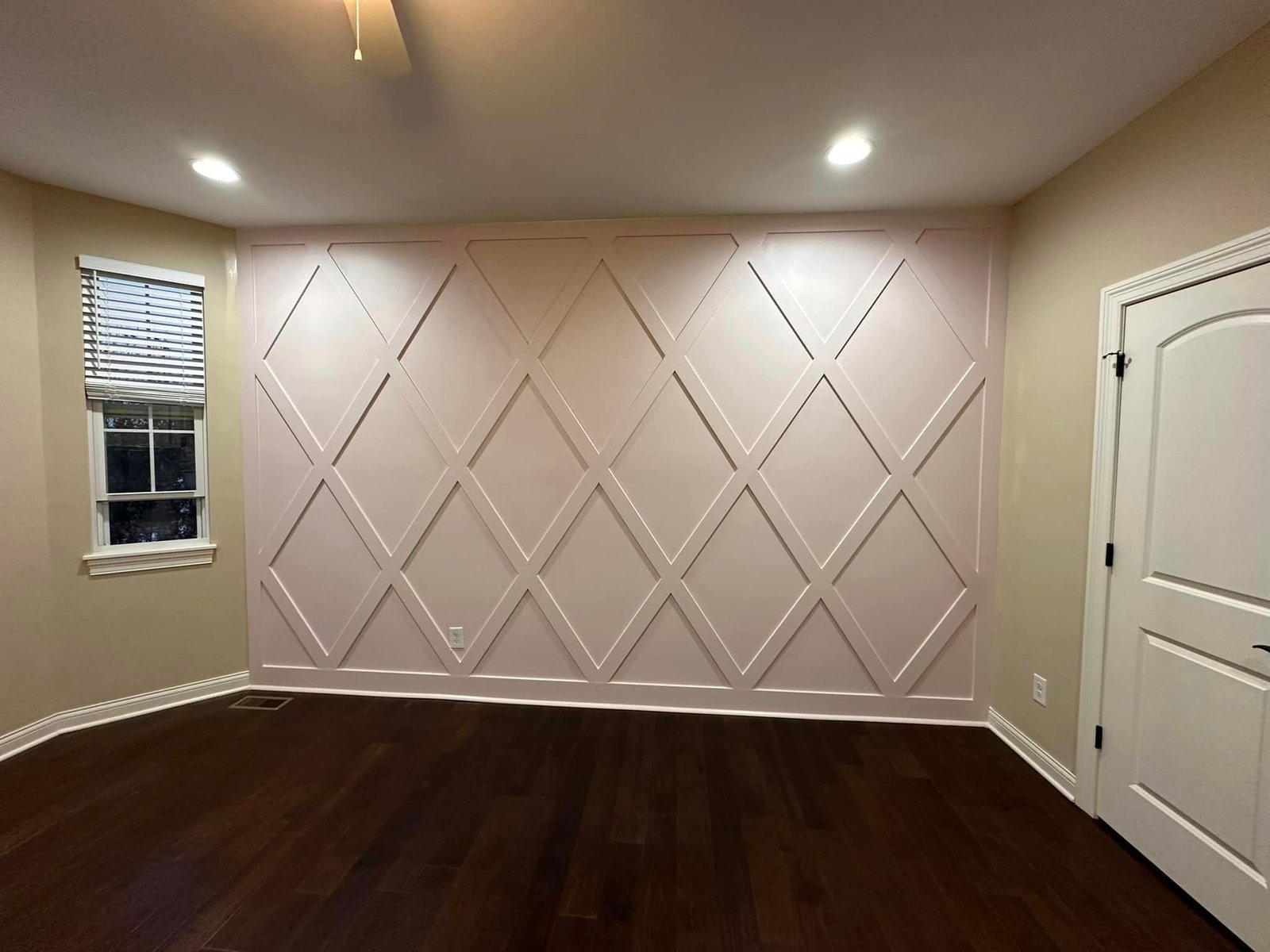
Painting trim without tape is not a shortcut. Learning how to paint trim without tape is a professional technique built on control, preparation, and real experience. Many homeowners rely on painter’s tape because it feels safer, but experienced painters know that tape often creates more problems than it solves. Bleeding edges, torn paint, wasted time, and uneven lines are common results when tape is used incorrectly or removed too late.
At Trucoat Painting, painting trim without tape is standard practice for most interior projects. The reason is simple. When done correctly, it produces cleaner lines, a smoother finish, and better long term durability. This blog explains how to paint trim without tape the right way, using proven methods that professionals rely on every day.
Why Painting Trim Without Tape Delivers Better Results
Tape creates a false sense of precision. While it may look neat during application, the final result often tells a different story once the tape is removed.
Paint naturally wants to seep into gaps. Even high quality tape cannot fully prevent bleed through on textured walls or uneven trim. On top of that, tape can pull cured paint from the wall or trim, especially when removed too late or at the wrong angle.
Painting trim without tape eliminates these risks entirely.
Key Advantages of Painting Trim Without Tape
- Cleaner and more natural paint lines.
- No paint bleed under tape edges.
- Faster workflow.
- Reduced material costs.
- No risk of peeling existing paint.
- More control around corners and profiles.
Professional painters prioritize results, not habits. This method exists because it works.
Understanding the Skill Behind Clean Trim Lines
Painting trim without tape is about muscle memory and brush control, not having a perfectly steady hand. Anyone can learn this with proper technique and repetition.
The goal is not speed. The goal is consistency. Each brush stroke should place paint exactly where it belongs and nowhere else.
What Actually Creates a Clean Line
- Proper brush angle.
- Correct amount of paint on the brush.
- Smooth, continuous strokes.
- A well prepared surface.
- Good lighting.
When these elements come together, tape becomes unnecessary.
Tools That Make Tape Redundant
The quality of your brush directly affects the results you get. Trim work demands precision, and that precision comes from a properly shaped brush.
Best Brush Features for Trim Painting
- Angled sash design.
- Firm bristles with controlled flex.
- Sharp chiseled edge.
- Synthetic bristles for latex paint.
A two inch angled brush offers the best balance between control and coverage. Smaller brushes often leave streaks, while larger brushes reduce accuracy.
Avoid worn or frayed brushes. Once the edge loses its shape, clean lines become difficult.
How Paint Quality Affects Trim
Not all paints behave the same. Some spread too much. Others dry too fast. Poor quality paint makes cutting in harder than it needs to be.
Ideal Characteristics of Trim Paint
- Smooth leveling properties.
- Durable semi gloss or satin finish.
- Moderate dry time for control.
- Strong adhesion.
Modern trim paints are engineered to level out brush marks, which helps achieve a smoother finish even when painting by hand.
At Trucoat Painting, paint selection is based on performance and durability, not marketing claims.
Book Free estimate now!
Schedule a free estimate with our experts at Trucoat Painting Plus to gain insights on your cabinet painting project.
Surface Preparation Is Where Professionals Win
Most trim painting problems start before the brush ever touches the surface.
Paint reacts differently on dirty, glossy, or uneven surfaces. Without proper preparation, paint can drag, skip, or spread unpredictably.
Why Prep Is Critical When Painting Without Tape
When painting by hand, the surface must help you, not fight you. A smooth, clean surface allows the brush to glide and stop cleanly at the edge.
Trim Preparation Checklist
- Clean trim with mild detergent.
- Remove dust, grease, and residue.
- Lightly sand glossy finishes.
- Repair dents, cracks, and nail holes.
- Caulk gaps between trim and wall.
- Prime bare wood or patched areas.
Skipping prep makes clean lines harder and results less consistent.
Lighting and Positioning Make a Real Difference
Good lighting is not optional. You cannot paint what you cannot clearly see.
Professionals adjust their position and lighting constantly while working. Standing at the wrong angle can distort how straight a line appears.
Lighting Tips for Precision
- Use bright, even lighting.
- Avoid shadows along trim edges.
- Adjust your position frequently.
- Do not rely on overhead lighting alone.
Clear visibility improves accuracy more than any accessory.
How to Load the Brush Correctly
Improper brush loading causes most beginner mistakes.
Proper Brush Loading Technique
Dip the brush one third into the paint. Lightly tap the brush against the inside of the can. Do not drag the brush across the rim.
Dragging removes too much paint and leaves the brush unevenly loaded.
The goal is a brush that holds paint without dripping.
Step by Step Process to Paint Trim Without Tape
Start Away From the Edge
Begin each stroke slightly away from the wall or adjacent surface. This allows you to distribute the paint before guiding it toward the edge.
Once the paint is flowing evenly, gently move the brush toward the line using the angled tip.
Use Long, Controlled Strokes
Short strokes increase the chance of uneven edges. Longer strokes provide consistency and a smoother finish.
Stroke Control Tips
- Keep your wrist relaxed.
- Move your arm instead of just your hand.
- Maintain steady pressure.
- Avoid stopping mid stroke.
Confidence improves control. Hesitation creates uneven lines.
Cutting In Along Walls Without Tape
Cutting in is the skill that defines trim painting. The angled brush tip acts as a guide. The thin edge places paint exactly where needed while stopping naturally at the wall surface.
Technique for Clean Cut Lines
- Hold the brush at a slight angle.
- Use the narrow edge of the bristles.
- Pull paint along the edge rather than pushing it.
- Let the brush shape do the work.
Avoid pressing too hard. Excess pressure causes paint to spread beyond the line.
Painting Baseboards Without Tape
Baseboards are one of the most forgiving areas to practice this technique.
Best Order for Baseboards
- Paint the top edge first.
- Work downward toward the floor.
- Finish with long horizontal strokes.
Gravity helps control paint flow, reducing drips and runs.
Baseboard Tips
- Keep a damp cloth nearby.
- Wipe mistakes immediately.
- Work in sections rather than rushing.
Quick corrections prevent permanent marks.
Painting Door and Window Trim Without Tape
Door and window trim require patience and planning due to multiple angles and profiles.
Best Approach for Complex Trim
- Start with inner edges.
- Paint flat surfaces next.
- Finish outer edges last.
Working in this order prevents accidental overlap and smudging. Take breaks when needed. Fatigue leads to mistakes.
Managing Corners and Tight Spaces
Corners can feel intimidating, but they follow the same principles.
Corner Painting Tips
- Use the tip of the brush.
- Reduce paint load slightly.
- Work slowly and deliberately.
- Clean edges immediately.
Less paint equals more control in tight areas.
Fixing Mistakes Like a Professional
Mistakes happen even with experience. Professionals know how to correct them quickly and cleanly.
Easy Fixes While Paint Is Wet
- Wipe gently with a damp cloth.
- Feather the edge with a clean brush.
Fixes After Paint Dries
- Touch up with a small detail brush.
- Lightly sand and repaint if needed.
The key is addressing issues early before they compound.
When Painting Trim Without Tape Is Not Ideal
This technique is powerful, but it is not mandatory in every situation.
Situations Where Tape Can Still Help
- Extremely textured walls.
- Severely uneven surfaces.
- Decorative moldings with deep grooves.
- High contrast color changes for beginners.
Professionals choose the method that delivers the cleanest result, not the one that proves a point.
Why Hand Cut Lines Hold Up Better Over Time
Tape lines often fail as paint ages. Seasonal expansion and contraction can cause taped edges to crack or peel.
Hand cut lines blend naturally with the surface and age more evenly.
This is one reason experienced painters rely on this method for high end residential projects.
The Role of Experience in Trim Painting
Painting trim without tape improves with every room, every door, and every window. The brush becomes an extension of the hand.
At Trucoat Painting, our teams apply these techniques daily across a wide range of homes and conditions. Experience allows us to adjust instantly to surface changes, lighting conditions, and paint behavior.
What Homeowners Should Expect From Professional Trim Work
High quality trim painting should deliver:
- Crisp, straight lines.
- Smooth, even coverage.
- Durable finishes.
- No visible bleed or rough edges.
Tape alone cannot guarantee this. Technique does.
Conclusion: How to Paint Trim Without Tape
Painting trim without tape is not about skipping steps. It is about mastering them. With proper preparation, the right tools, and proven technique, this method delivers cleaner lines, faster results, and a more durable finish.
For homeowners, understanding this process helps you recognize quality craftsmanship and make informed decisions when hiring professionals.
For painters, it is a skill worth developing because it elevates both efficiency and results.
Trucoat Painting applies these principles to every project, focusing on preparation, precision, and long term performance. Clean trim lines are not an accident. They are the result of experience, control, and doing the job right from start to finish.